Free AKA

International advocacy campaign

Free Abdulmumin Gadzhiev, Kemal Tambiev, Abubakar Rizvanov

Three Russian political prisoners serving sentences of almost 17 to 18 years in a terrorism-financing case built out of independent journalism, Muslim civic life and humanitarian charity.

Not a single episode of the alleged crime has been proven. The case is fabricated. The verdict rests on assumptions.

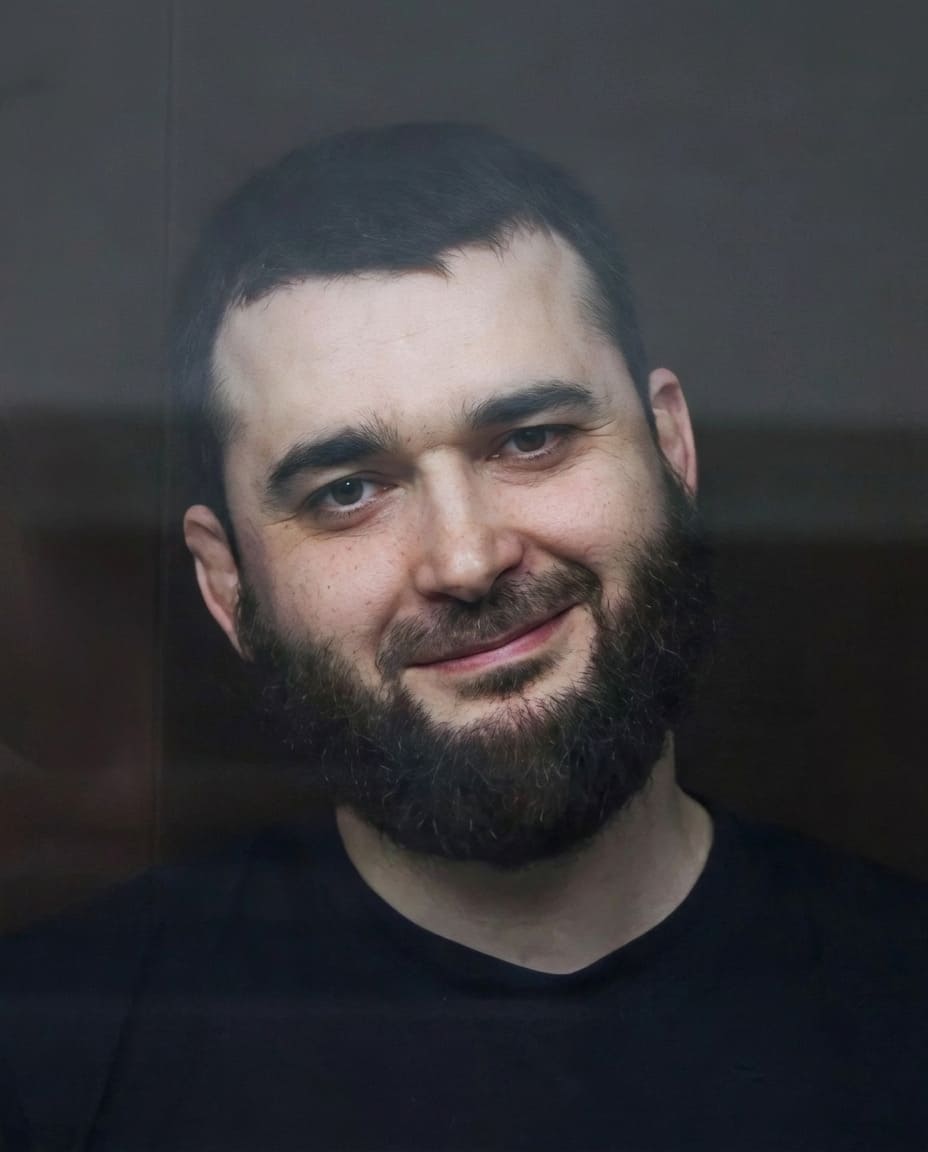
  • Abdulmumin Gadzhiev

    Journalist, father of four

    Sentence · 16 years and 10 months

  • Kemal Tambiev

    Software engineer, father of two

    Sentence · 17 years and 4 months

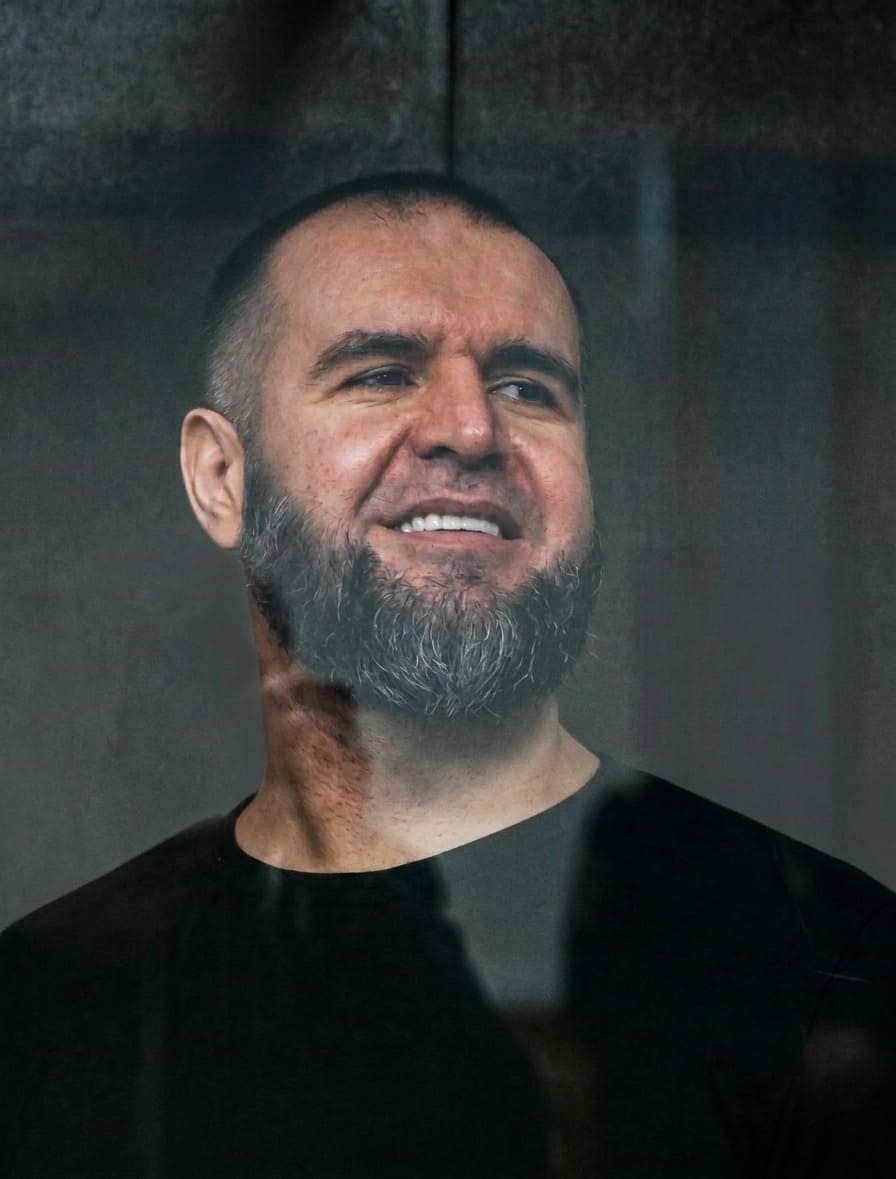
  • Abubakar Rizvanov

    Civic and religious figure, father of seven

    Sentence · 17 years and 10 months

Recognized as political prisoners and prisoners of conscience

The stakes

Why This Case Matters

  • The alleged crime was not proven

    The prosecution did not prove that the three men financed terrorism, took part in a terrorist organization or supported the ideas of terrorism.

  • A verdict built on assumptions

    The proceedings relied on disputed evidence and on testimony that one defendant says was given under torture and later retracted. One judge of the trial panel filed a dissenting opinion.

  • An attack on press freedom

    Abdulmumin Gadzhiev is a journalist. The prosecution treated the articles he published in the independent newspaper Chernovik as evidence of a crime.

  • Trampling of religious freedom

    The case rests on religious preaching, charitable giving and the ordinary life of a Muslim community, presented in court as the machinery of a terrorist network.

  • Criminalization of charity

    Humanitarian, religious and charitable activity was presented as terrorism financing without reliable proof of any violent purpose.

  • Misuse of counterterrorism laws

    The case shows how counterterrorism legislation can be used against journalists, civic figures and religious communities across the North Caucasus.

  • Strasbourg ruled in Gadzhiev’s favour

    The European Court of Human Rights examined Abdulmumin Gadzhiev’s complaints, found violations of his rights in connection with his arrest and awarded him compensation.

    Source
  • Interpol rejected the accusation the case is built on

    The entire case assumes a conspiracy with the preacher Abu Umar Sasitlinsky. Interpol found his prosecution politically or religiously motivated and removed him from its wanted list in April 2023.

    Source

Who they are

The Three Men

01 / 03
Abdulmumin Gadzhiev

Abdulmumin Gadzhiev

Journalist, religious and community figure, father of four

Sentenced to 16 years and 10 months

Abdulmumin Gadzhiev is a well-known Dagestani journalist who edited the religion desk of the independent newspaper Chernovik. He is the father of four children. Amnesty International has recognized him as a prisoner of conscience.

Courts on the case

A Judge Disagreed

Judge Rizvan Zubairov · dissenting opinion

One member of the trial panel, Judge Rizvan Zubairov, issued a dissenting opinion. According to the defense and case materials, the dissent raised serious concerns about the evidence and procedure, including the court’s reliance on assumptions rather than properly verified evidence. The dissent also questioned the admissibility of Kemal Tambiev’s first interrogation because of lack of effective legal assistance at a critical early stage.

Download Dissenting Opinion Summary

European Court of Human Rights

An international court found violations

The case of Abdulmumin Gadzhiev also reached the European Court of Human Rights. According to reporting by Caucasian Knot in February 2025, the Court found violations of his rights in connection with his arrest and awarded him 6,000 euros in compensation. Russia ceased to be a party to the European Convention on Human Rights in September 2022, but the Court retains jurisdiction over events that took place before that date.

Read the judgment on HUDOC

HUDOC is the official case-law database of the European Court of Human Rights.

How the case began

The day Kemal Tambiev was detained

The investigator named Kemal Tambiev’s interrogation as the grounds for detaining Abdulmumin Gadzhiev — although that interrogation took place at night, after Gadzhiev had already been arrested. For years the courts treated this as reason enough to keep him in pre-trial detention.

  1. 01

    He went live as they broke down his door

    14 June is International Bloggers Day. Kemal Tambiev, a business blogger, opened Instagram and started a live broadcast the moment officers began forcing his door. The stream travelled so far that passengers on the plane taking him to Makhachkala recognised him — and sent his wife a photograph of him asleep beside his escort.

    IslamNews on the broadcast
  2. 02

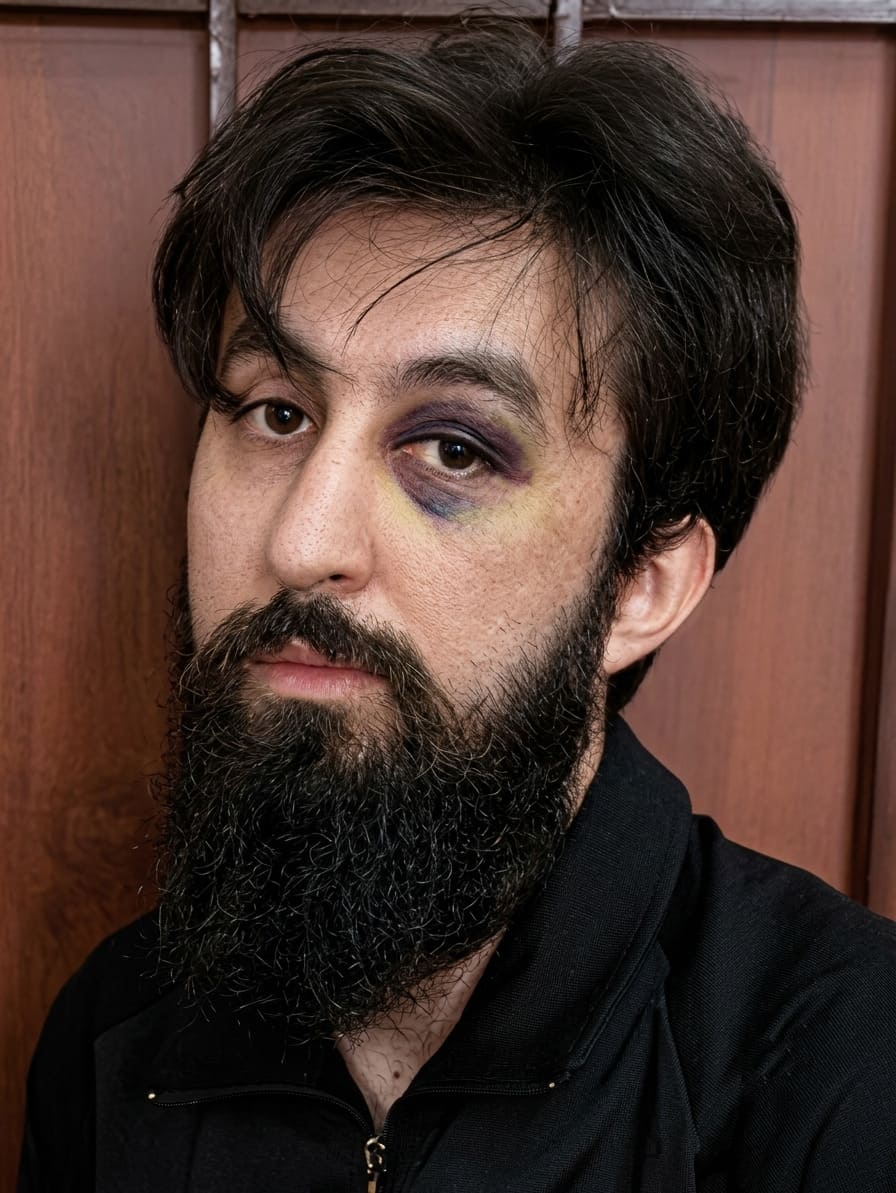
    He appeared in court beaten

    Kemal Tambiev came to his first court hearing with visible injuries. He stated that he had signed testimony against Abdulmumin Gadzhiev under torture, and later retracted it.

  3. 03

    A lawyer who arrived afterwards

    According to documents of the Investigative Committee itself, the state-appointed lawyer arrived only after the so-called interrogation had already ended. Tambiev was questioned without effective legal assistance at the most critical moment of the case.

  4. 04

    The dissenting judge said it could not stand

    In his dissenting opinion, Judge Rizvan Zubairov concluded that an interrogation conducted this way could not be used as evidence. The court nevertheless built the case on it.

What is shown here

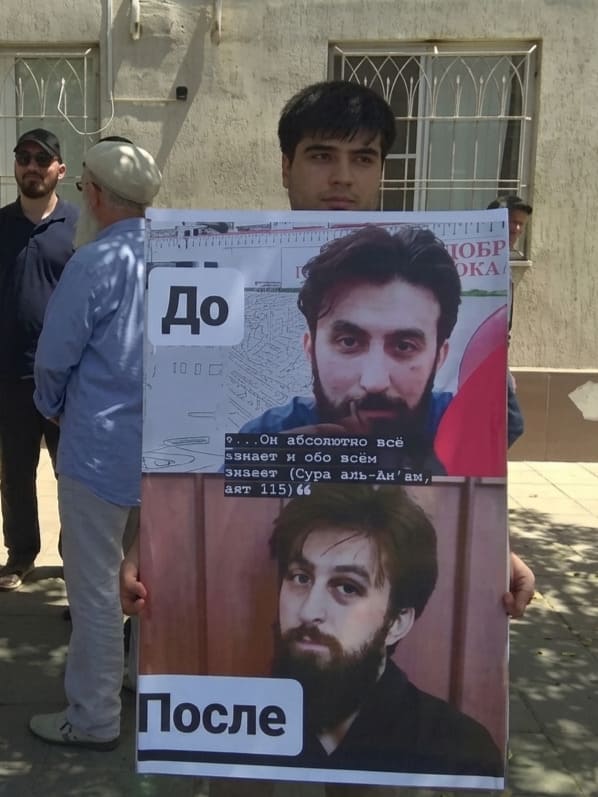
  • Kemal Tambiev with visible injuries after his detention
    Kemal Tambiev with visible injuries after his detention
  • Video of the detention — it shows that Kemal had no injuries immediately before he was taken away
  • Relatives holding single-person pickets over the beating
    Relatives holding single-person pickets over the beating
The courtroom in which the verdict was delivered

The fabrication, in the verdict

What 16+ Years Was Handed Down For

Three men, three sentences, and beneath each one an episode that falls apart the moment you read it. This is what each of them was actually convicted of.

  1. Abdulmumin Gadzhiev

    Abdulmumin was given 16+ years for his journalism and for buying a plane ticket.

    Two of the three episodes are interviews he wrote as a journalist: one in 2008, when Islamic State did not exist, and one in 2013, when it had not been designated a terrorist organization by anyone. He was convicted for those publications in 2023.

    The third is a transfer of 16,000 roubles — about 200 dollars — entered in the verdict as financing terrorism. The defence showed the court the money had gone on a plane ticket. The episode rested on the testimony of a protected witness: the sealed envelope holding his identity turned out to be empty, and the witness himself had by then fled the country from the same security services. The court left the episode in the verdict.

  2. Kemal Tambiev

    Kemal got 17+ years over charity and an anonymous transfer that could not have happened.

    Kemal gave to charity. The charity was formally tied to terrorism without a single fact being produced to show that any of it reached a single fighter.

    So an episode was supplied. A protected witness stated that a student named Kemal was to receive money and pass it to Abu Umar anonymously through Yandex.Money, “so that none of the unbelievers would find out”. By that time Kemal was not a student; no one in the case identified him; and Yandex.Money does not permit anonymous transfers at all.

    There is also an appeal from a Ukrainian citizen confirming that she received financial help from Kemal Tambiev. Many people came to court in person to confirm that they had received the same help from him. In this case, all of it is written up as financing terrorism.

  3. Abubakar Rizvanov

    Abubakar was jailed for almost 18 years because his foundation built a school for orphans.

    His foundation built a school for orphaned children and taught them there free of charge. The investigation and the court called this “social support for the widows and orphans of terrorists” and entered it as a count against him.

    To hold the charge together, another protected witness was produced, this one describing money received for the needs of the “Caliphate”. In court that witness could not reproduce anything that had been written into his own statement.

Everything else in the case runs on association: the three men are tied to the preacher Abu Umar Sasitlinsky, and Sasitlinsky is presented as a terrorist. What the file actually documents about him is set out below.

Association instead of evidence

Abu Umar? Islamic State? Ukraine?

Take Abu Umar Sasitlinsky out of the file and there is no case left. So it is worth knowing what is actually established about him.

In April 2023 Interpol examined his prosecution, found it politically or religiously motivated, and removed him from its international wanted list. The accusation the entire verdict is built upon has been rejected by an international police organization — and the men convicted under it are still in prison.

What the file documents about him

  • his cooperation with the Ukrainian educational foundation Chitai
  • the charitable group that built a mosque in Simferopol
  • his public condemnation of the Assad regime in Syria and of Russia’s aggression against Ukraine — noted in the Interpol decision itself
  • his link to the Khair charity project, which gave financial help to people including citizens of Ukraine, regardless of nationality or faith

These are the associations. Between them and a charge carrying eighteen years there is nothing else.

Documents

The fabrication, in documents

A House in a Village Nobody Owns

Two or three volumes of the case file are devoted to property supposedly bought with criminal money. The seizures are the part of the fabrication that can be checked against public records — and they do not survive the check.

  1. 01

    More than twenty properties seized

    Houses, land and cars belonging to the defendants’ brothers, sisters, parents, uncles and aunts were placed under arrest. Much of it had been in the families since the defendants were children.

  2. 02

    A house that belongs to none of them

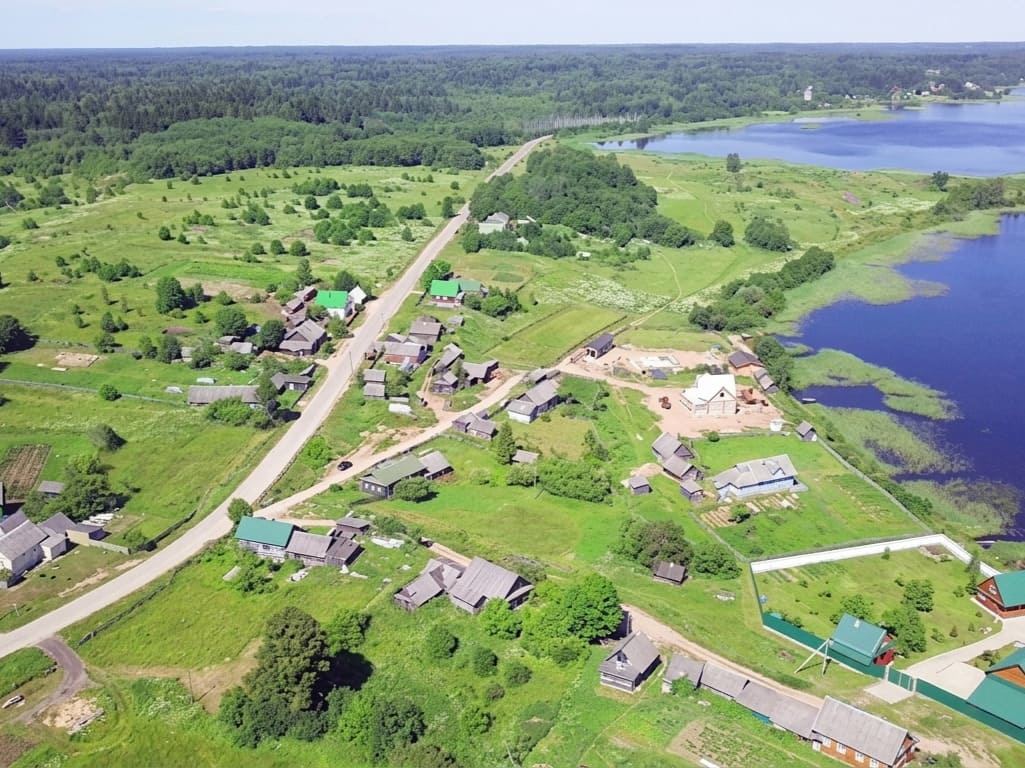
    Among the seized property was a house in the village of Svapushchenskoye in the Tver region with no connection to anyone in the case. Roughly forty relatives of Gadzhiev, Rizvanov and the preacher Abu Umar Sasitlinsky were recorded as sharing one stake in it.

  3. 03

    Dozens of seizure orders in two days

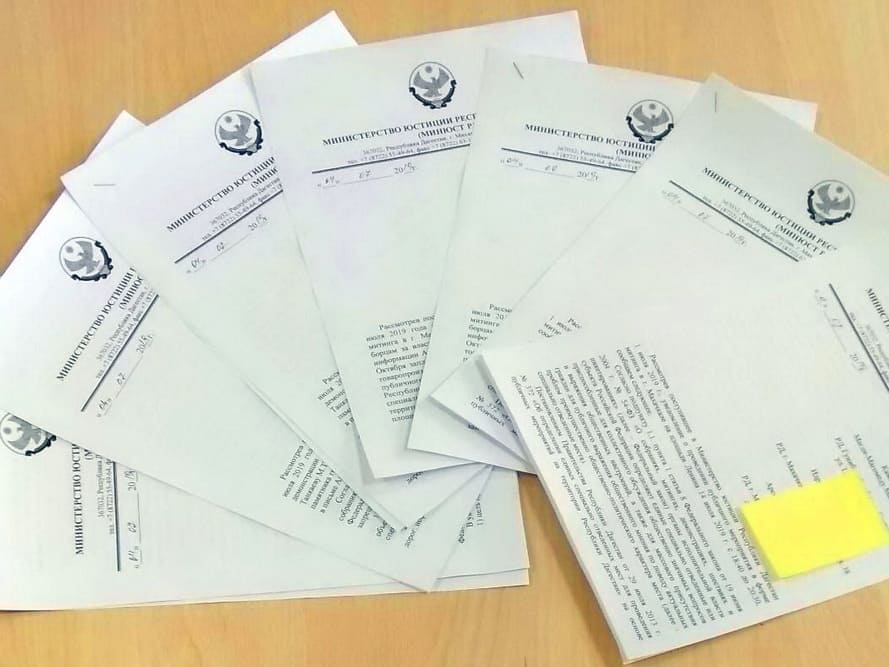
    One judge of the Sovetsky District Court in Makhachkala issued the whole set of orders across two days. The hearing records show sessions lasting a few minutes each. That judge, Dalgat Gadzhiev, was later pushed into resignation.

  4. 04

    The land registry confirmed it was invented

    During the trial in Rostov the court sent an official request to the Tver cadastral authority. The answer: none of the people named in the case had ever owned that stake. The court lifted the seizure — and took no action at all over the fabrication itself.

Somewhere here stands the house seized on the strength of this case. Its owners probably still do not know.

Somewhere here stands the house seized on the strength of this case. Its owners probably still do not know.

Source: Chernovik: “A Hermione and a house in the village appear in the Gadzhiev case”

Chronology

Timeline of the Case

Compiled from independent reporting and case materials. Each entry links to the source it is based on.

  1. 14 June 2019

    Arrests in Dagestan and Moscow

    Abdulmumin Gadzhiev, Kemal Tambiev and Abubakar Rizvanov are detained. The prosecution alleged terrorism financing and participation in a terrorist organization. The three men were not acquainted with each other.

    Source: OC Media
  2. June 2019

    Testimony described as obtained under torture

    At a hearing, Kemal Tambiev states that he signed testimony against Abdulmumin Gadzhiev under torture. Much of the initial accusation rested on that testimony, which he later retracted.

    Source: OC Media
  3. June 2019

    Dagestani newspapers publish a joint front page

    Three newspapers run identical front pages in support of Gadzhiev. Chernovik calls the accusations untenable and describes the arrest as an attack on press freedom in Dagestan.

    Source: The Moscow Times
  4. October 2019

    Amnesty International speaks out

    Amnesty International publicly supports the journalist and the newspaper Chernovik. The organization later names Gadzhiev a prisoner of conscience.

    Source: Amnesty International
  5. April 2020

    Additional charges

    Charges relating to participation in an extremist organization are added to the case, covering a period ending in 2013. The defendants argue that organizations were taken from a list of banned entities without evidence of any link.

    Source: Mediazona English
  6. November 2022

    Chernovik suspends its print edition

    The newspaper Gadzhiev worked for announces that it has stopped printing, citing politically motivated pressure on printers, distributors and advertisers.

    Source: Committee to Protect Journalists
  7. April 2023

    Interpol clears the preacher at the centre of the case

    Interpol finds the prosecution of Abu Umar Sasitlinsky — the man the three are accused of conspiring with — politically or religiously motivated, and removes him from its wanted list.

    Source: The Interpol decision
  8. 12 September 2023

    Verdict after more than four years in pre-trial detention

    The Southern District Military Court in Rostov-on-Don convicts all three men: Gadzhiev is sentenced to 17 years, Tambiev to 17 years and 6 months, Rizvanov to 18 years. One judge of the panel files a dissenting opinion.

    Source: Committee to Protect Journalists
  9. 20 December 2023

    The case goes to the United Nations

    Lawyers of the Memorial Human Rights Defence Centre send a communication on Gadzhiev’s case to the UN Special Rapporteur on the situation of human rights in Russia, stating that he is prosecuted for his professional work and his religious views.

    Source: Memorial Human Rights Defence Centre
  10. May 2024

    Appeal filed

    The defense files an appeal against the verdict. Colleagues continue single-person pickets in Makhachkala in support of Gadzhiev, and are fined for them.

    Source: Caucasian Knot
  11. 1 November 2024

    Appeal heard: two months off

    The appellate court removes the episodes dated before 2015 from the charges and formally reduces each sentence by two months. The convictions themselves stand.

    Source: Meduza
  12. February 2025

    European Court of Human Rights awards compensation

    The European Court of Human Rights finds violations of Abdulmumin Gadzhiev’s rights in connection with his arrest and awards him 6,000 euros.

    Source: Caucasian Knot
  13. June 2026

    Seven years in custody

    On the seventh anniversary of the arrests, Chernovik’s editors repeat that they consider Gadzhiev innocent. He is reported to be held in the prison in Vladimir.

    Source: Caucasian Knot
  14. 8 July 2026

    The Supreme Court leaves the verdict in place

    The cassation instance of the Supreme Court of Russia upholds the sentences. Domestic remedies are exhausted; international attention and political solutions are what remain.

    Source: Radio Liberty

Independent reporting

Media About the Case

Independent reporting and human rights references on one of the least-known cases of political imprisonment in Russia, with short English summaries for international readers.

01 / 19
Mediazona EnglishEnglish

“Labelled as a terrorist”

The fullest English-language account of the case. Mediazona follows the trial of the three men from the arrests in June 2019 to the verdict: how a journalist of the independent newspaper Chernovik, a software engineer and a community figure who had never met were tried together as one group; how the central testimony was given after what the witness described as torture and then retracted in open court; and how charitable transfers and published articles became the evidence of terrorism financing. For anyone reporting on political prisoners in Russia or on press freedom in the North Caucasus, this is the piece to read first.

Why it matters
Recommended first read for international journalists.

Read original

Links lead to independent outlets and human rights organizations. Summaries are written by the campaign for international readers and are not translations of the full articles.

Watch

Videos About the Case

Selected reports, interviews and broadcasts about the criminal case of Abdulmumin, Kemal and Abubakar.

01 / 11

Muslims imprisoned over fabrications by the security services

Russian with English subtitles

Watch on YouTube

They are not alone

Years of Public Support

Solidarity with the three men has been steady, public and punished. In a region where public protest has been closed down almost entirely, this is what it has looked like.

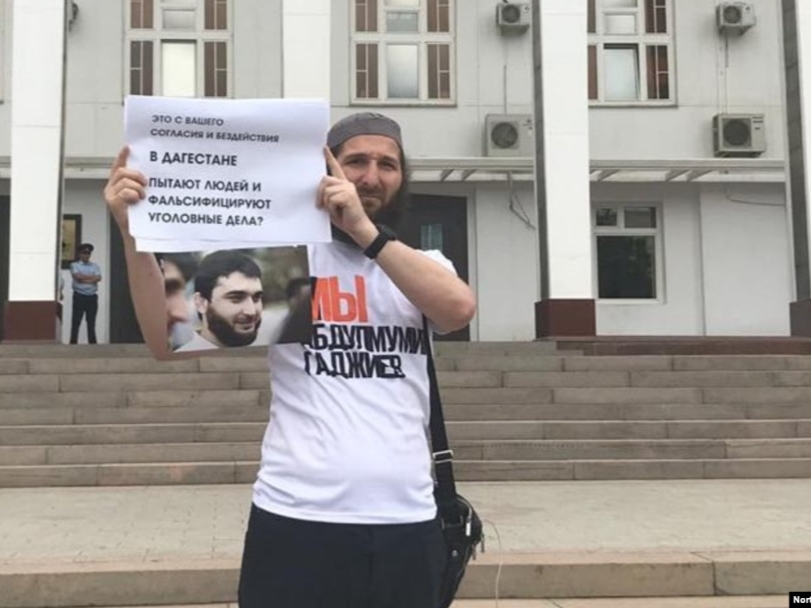
  • A T-shirt worn all these years

    A T-shirt worn all these years

    Idris Yusupov, a correspondent of the newspaper Novoye Delo, has appeared in public only in a T-shirt reading “I am / We are Abdulmumin Gadzhiev” for years on end. It is a one-man reminder, worn in a city where a placard gets you taken to a police station — and he has been detained at pickets for it, along with the colleagues who stood beside him.

    Idris Yusupov on Facebook
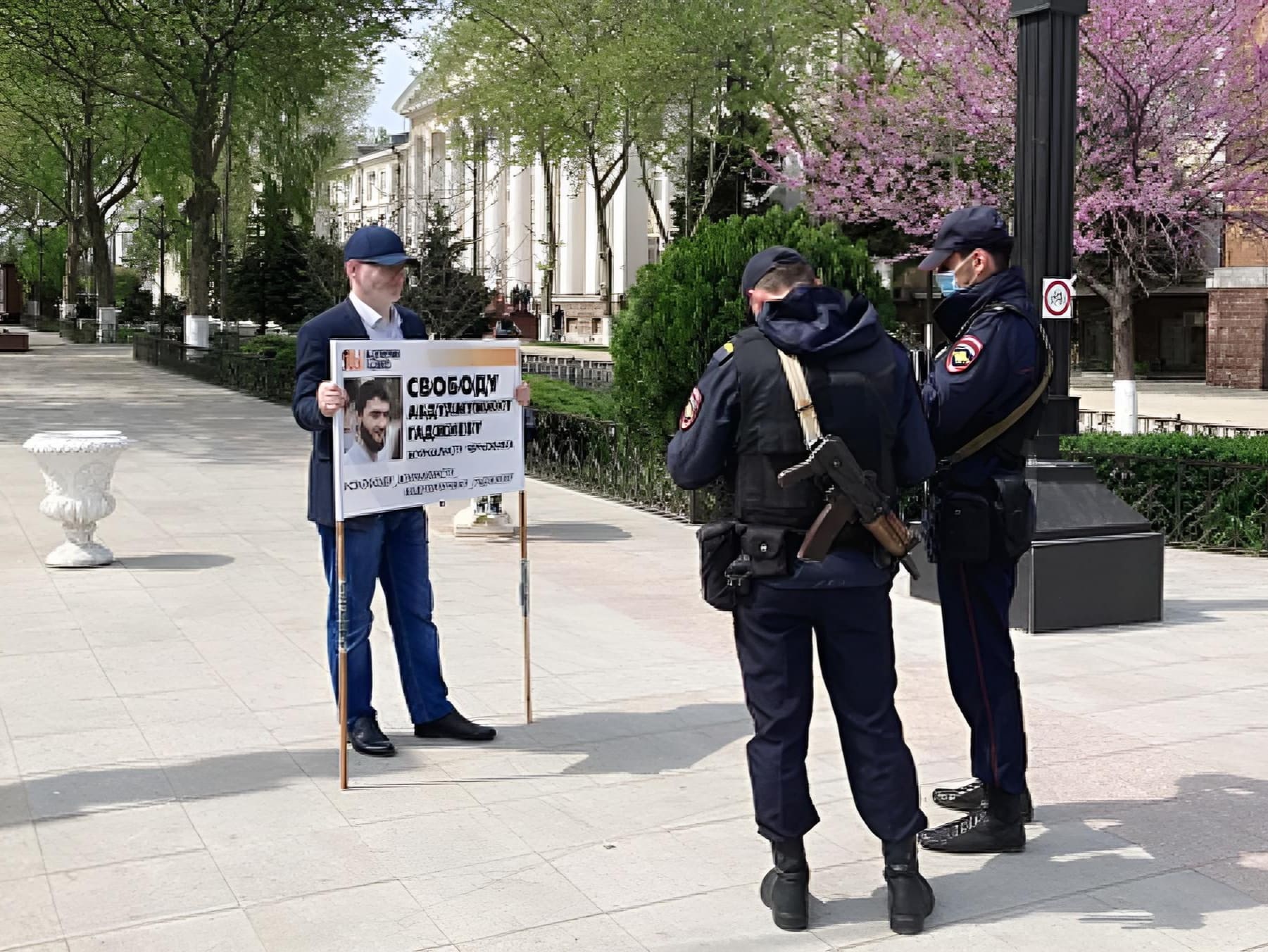
  • Every Monday for five years

    Every Monday for five years

    A single-person picket stood at the corner of Gamzatov Avenue and Dakhadaev Street in Makhachkala, near the interior ministry and FSB buildings, week after week for five years. Picketers were detained repeatedly — among them Gadzhiev’s mother, father and aunt — and activists reported actions broken up by provocateurs. The last was held on 4 November 2024 by Magomed Magomedov, deputy editor of Chernovik, who said the weekly pickets would end but the fight would not.

    Chernovik on the last picket
  • Around 600 rallies refused

    Around 600 rallies refused

    Roughly 600 notifications of a rally against the fabrication of criminal cases were filed in Dagestan. The Ministry of Justice approved none of them, on pretexts that cassation courts later found unlawful and that the prosecutor’s office formally demanded be corrected. The refusals continued anyway. Political imprisonment in Russia rests not only on verdicts but on the quiet administrative work of making protest impossible.

    The prosecutor’s demand

From inside

They Are Not Losing These Years

Three men in a Russian prison, still working. This is what they have done from inside.

  • Abdulmumin GadzhievThey Are Not Losing These Years

    Still a journalist

    He has written dozens of pieces from prison — about his cellmates, about the conduct of the security services, about how prisons actually work, in his own style: humour and bare facts. After one article written together with Kemal Tambiev, its subject, his brother and his nephew were eventually acquitted. His accounts still publish case analyses, investigations and stories from custody.

  • Kemal TambievThey Are Not Losing These Years

    Studying

    He has read hundreds of books and is writing one of his own. In custody he has become a specialist in the Quran, in artificial intelligence and in investing in equities and cryptocurrency. Through an intense correspondence he takes part in running friends’ businesses, guides his wife’s investments, and is raising his children by letter.

  • Abubakar RizvanovThey Are Not Losing These Years

    Defending others

    He has gone through all the case materials several times, line by line, and a great many of the falsifications now known in this case were found by him. He also advises his cellmates and helps them defend their rights, and has written hundreds of complaints about violations by the security services — enough, from a detention centre, to bring the work of the Sovetsky District Court in Makhachkala to a standstill.

What you can do

Take Action

What this campaign is trying to achieve

  1. 1

    International recognition as political prisoners

    All three men need to be recognized as political prisoners by international human rights organizations. Recognition is what turns a regional case into an international one: it opens doors at foreign ministries, parliaments and UN mechanisms, and it gives them a measure of protection inside prison.

  2. 2

    A place on the prisoner exchange lists

    Domestic remedies are exhausted — the Supreme Court upheld the verdict in July 2026. Realistically, the way home now runs through the lists used in negotiations and prisoner exchanges. For a name to be on such a list, it first has to be known.

Everything below serves those two goals. Each action makes the case harder to overlook.

International Advocacy & Prisoner Exchange Lists

As domestic legal remedies in Russia are exhausted, Abdulmumin Gadzhiev, Kemal Tambiev and Abubakar Rizvanov must be included in international political prisoner exchange lists (Russia prisoner swap negotiations). Every list of Russian political prisoners used in such negotiations should carry all three names.

  1. Step 01

    Share the website

    Post the link with one sentence of your own. The more people who know about this case, the greater the chance of reaching those who make decisions.

  2. Step 02

    Tell politicians

    Send the case brief to an embassy, a foreign ministry, a parliamentarian or a delegation working on Russia. Ask them to raise the three names.

  3. Step 03

    Write to the media

    Send the press kit to a reporter or editor covering Russia, the Caucasus, press freedom or religious freedom.

  4. Step 04

    Pass the case to a human rights organization

    Ask them to review the case and recognize all three men as political prisoners. This is the single most useful thing an organization can do.

  5. Step 05

    Follow the family accounts

    The families publish updates about health, transfers and appeals. Following and resharing them keeps the case visible between news cycles.

  6. Step 06

    Write a letter

    A letter from a stranger abroad is proof to a prisoner that he has not been forgotten. It takes five minutes.

Share the case

The more people who know about this case, the greater the chance of reaching those who make decisions.

Write to an organization

A ready message for human rights organizations, embassies, editors and parliamentary offices. It asks for the thing that matters most: recognition of all three as political prisoners. Replace the name at the end before sending.

Open in email app
Subject: Please recognize Abdulmumin Gadzhiev, Kemal Tambiev and Abubakar Rizvanov as political prisoners

Dear Sir or Madam,

I am writing to ask your organization to review the case of Abdulmumin Gadzhiev, Kemal Tambiev and Abubakar Rizvanov — three men in Russia serving sentences of almost 17 to 18 years in a terrorism-financing case.

Not a single episode of the alleged crime was proven. The verdict rests on assumptions, on testimony that one defendant says was given under torture and later retracted, and on charitable and journalistic activity treated as a crime. One judge of the trial panel filed a dissenting opinion. The European Court of Human Rights has found violations of Abdulmumin Gadzhiev's rights. Interpol found the prosecution of the preacher the case assumes a conspiracy with to be politically or religiously motivated. Amnesty International considers Gadzhiev a prisoner of conscience.

I ask you to recognize all three men as political prisoners, and to include them in any list of political prisoners used in negotiations and exchanges.

The case materials are here:
https://free-aka.com

Respectfully,
[Name]

Write to Abdulmumin, Kemal or Abubakar

The campaign collects letters, translates them where needed and passes them on through the families and lawyers.

For journalists and institutions

Download Documents

Concise case materials for journalists, policymakers, diplomats and human rights organizations.

Case Brief

For policymakers, diplomats and human rights organizations.

FreeAKA_Case_Brief_EN.pdf

Case BriefEnglish

Press Kit

For journalists and editors.

FreeAKA_Press_Kit_EN.pdf

Press KitEnglish

Additional materials (English)

  • One-Page Summary

    FreeAKA_One_Page_Summary_EN.pdf

    Download
  • Legal Summary

    FreeAKA_Legal_Summary_EN.pdf

    Download
  • Dissenting Opinion Summary

    FreeAKA_Dissenting_Opinion_Summary_EN.pdf

    Download
  • Family Appeal

    FreeAKA_Family_Appeal_EN.pdf

    Download

Additional language versions are being prepared and can be requested from the campaign.

Everything in one archive

All briefs, press materials and summaries currently available, in every published language.

Download All Materials (ZIP)

The full case file, on request

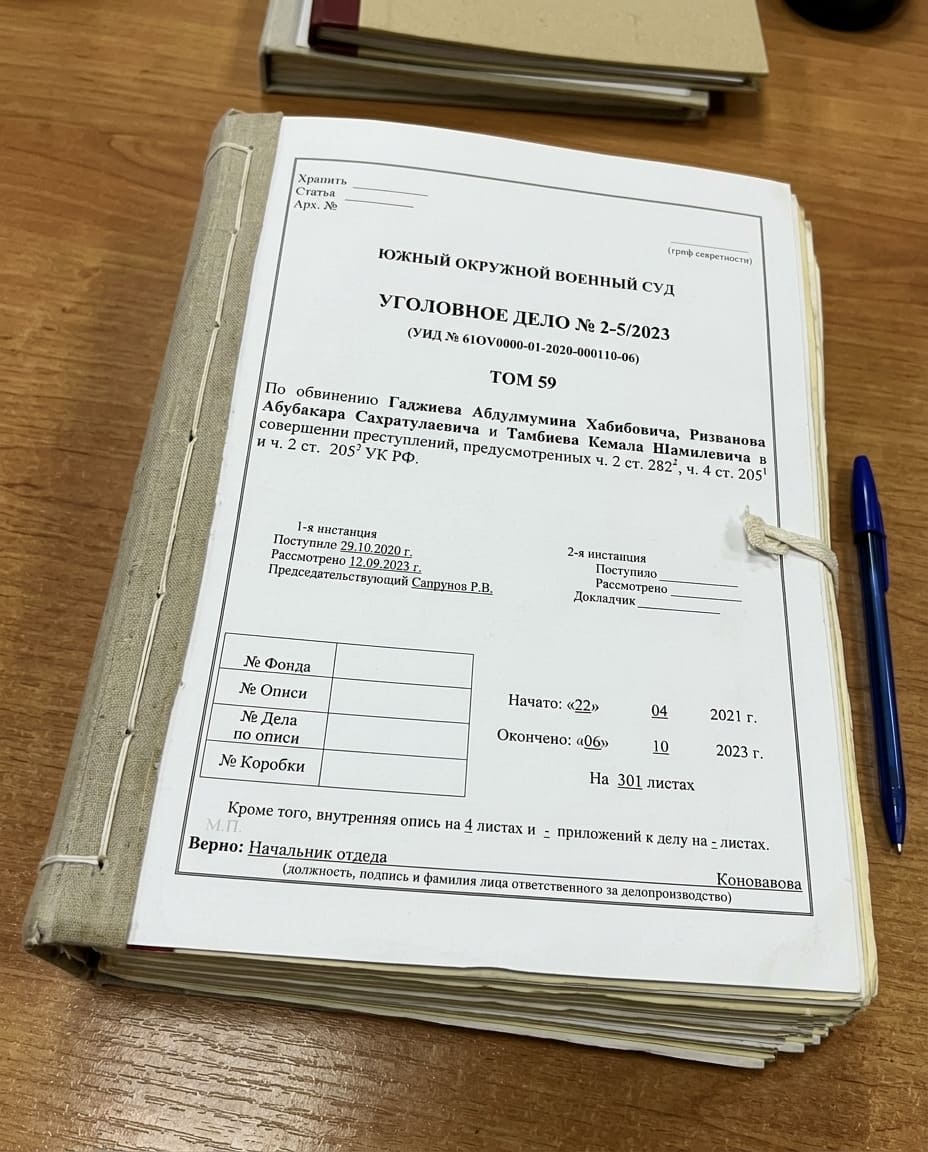
The campaign can provide the complete case record in Russian: all 59 volumes of case materials, the verdict, the appellate ruling and the cassation ruling. These documents are sent on request to journalists, lawyers, researchers and human rights organizations.

Request the full case file

Press

For Journalists

Everything needed to report on the case: materials, interviews and a person to call.

Imprisoned Journalists & Press Freedom in Russia

Abdulmumin Gadzhiev is one of the imprisoned journalists of Russia: the religion editor of the independent Dagestani newspaper Chernovik, jailed since June 2019 in a terrorism-financing case built on his own published articles. His status is recorded by the organizations that monitor press freedom and political imprisonment in Russia and the North Caucasus.

Press contact

Write to the campaign for interviews with the families, additional documents or verification of any detail. Messages in English, Russian and Turkish are answered.

contact@free-aka.com

The campaign aims to reply within 48 hours.

What you can request

  • Press kit and case brief in five languages
  • The complete case file in Russian: 59 volumes, the verdict, the appellate and cassation rulings
  • The dissenting opinion of Judge Rizvan Zubairov
  • High-resolution photographs
  • Interviews with family members, in Russian, English or Turkish with interpretation

Embargo and usage

  • There is no embargo. Everything on this site and in the press kit can be used immediately.
  • Photographs may be republished with the credit shown in the photographs section.
  • If you need an exclusive — a first interview, unpublished documents or family access — tell us what you are working on and we will try to arrange it.
  • The campaign will confirm or correct any factual detail before publication if asked. We would rather answer a question than see an error.

Available for interview

  • Dana Sakiyeva

    Wife of Abdulmumin Gadzhiev. Has given interviews to Chernovik, Radio Liberty and Meduza.

  • Laura Kurdzhieva

    Wife of Kemal Tambiev. Has given interviews to Radio Liberty and Alif TV, and speaks on detention conditions, pressure on the defendants and the family campaign.

  • The family of Abubakar Rizvanov

    His mother and sister speak about his case and his sentence.

Free to use

Photographs released by the families for use by media and campaigners. Download individually or as an archive.

01 / 15

Abdulmumin Gadzhiev, portrait

Credit: Family archive / Free AKA campaign

Download all photographs (ZIP)

The archive contains more photographs than are shown here.

These photographs may be used in reporting and advocacy about the case, with credit as indicated. They may not be used commercially or in a way that misrepresents the people shown.

The human record

Family Voice Campaign

Behind every political prisoner is a family fighting to be heard.

The Free AKA campaign is built not only on legal arguments, but also on the voices of families. Wives, children, mothers and sisters carry the human truth of the case. Between them, the three men have thirteen children growing up with a father in prison.

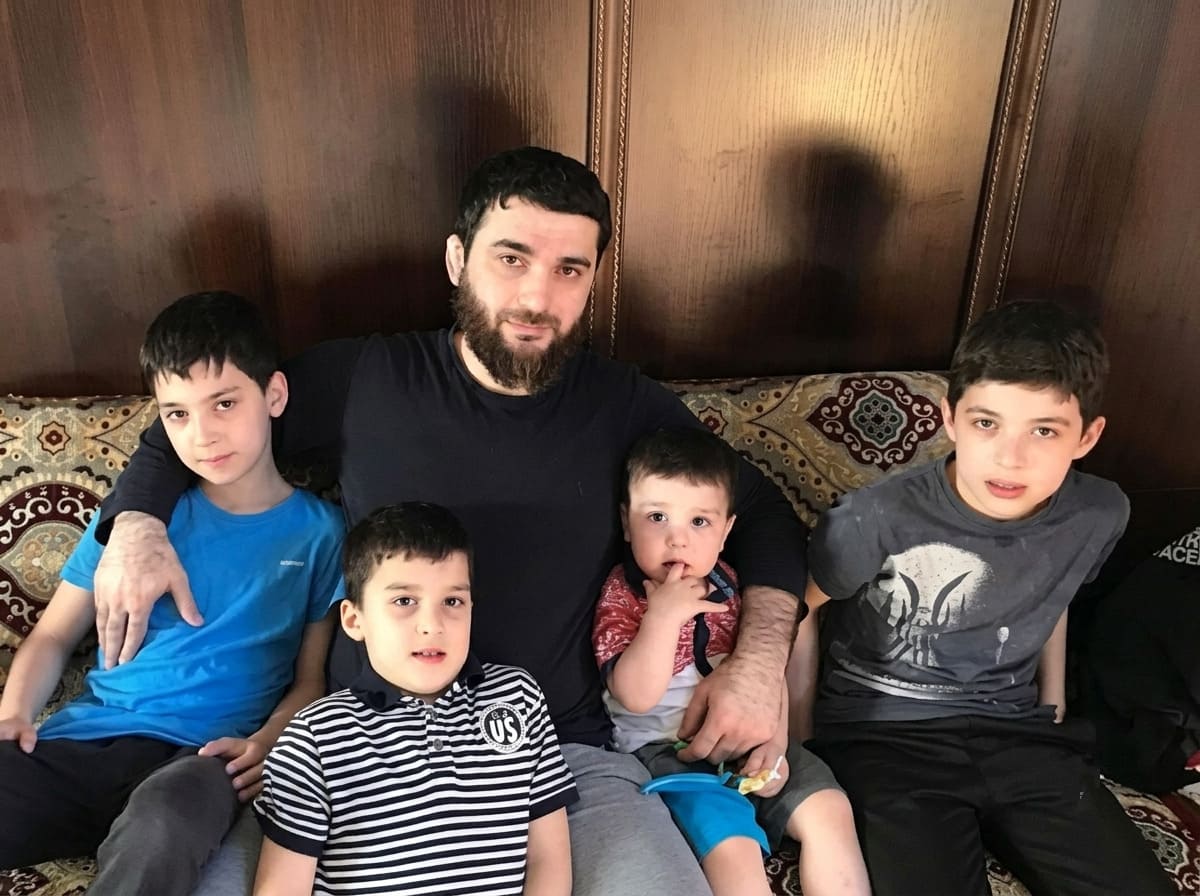
Abdulmumin Gadzhiev with his children, before his arrest

Dana Sakiyeva

Wife of Abdulmumin Gadzhiev

Dana Sakiyeva has publicly spoken about Abdulmumin’s case, the family’s life during his imprisonment and her belief in his innocence. In interviews with independent media, she described the emotional and human cost of the prosecution and the family’s struggle to keep fighting.

The children used to wait for me to come back from another hearing with their father.

Dana Sakiyeva

Published material

Follow on Instagram
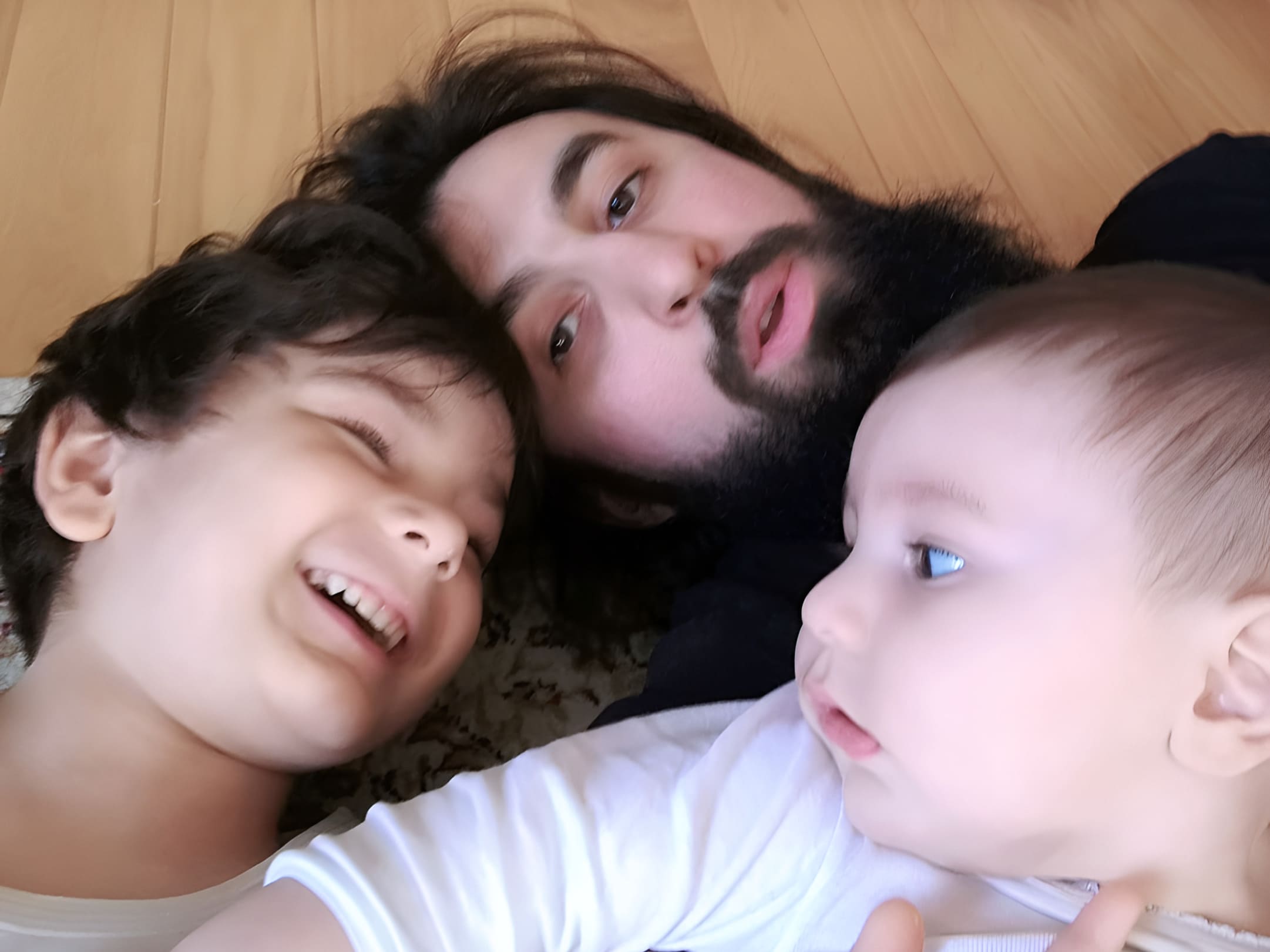
Kemal Tambiev with his children, before his arrest

Laura Kurdzhieva

Wife of Kemal Tambiev

Laura Kurdzhieva speaks as the wife of Kemal Tambiev and the mother of his children. She has publicly raised concerns about Kemal’s treatment, his detention conditions and the injustice of the case. Her voice is central to the humanitarian appeal for Kemal’s release.

My husband is not a terrorist. He is an engineer, a father and a person who helped others.

Laura Kurdzhieva

Published material

Follow on Instagram
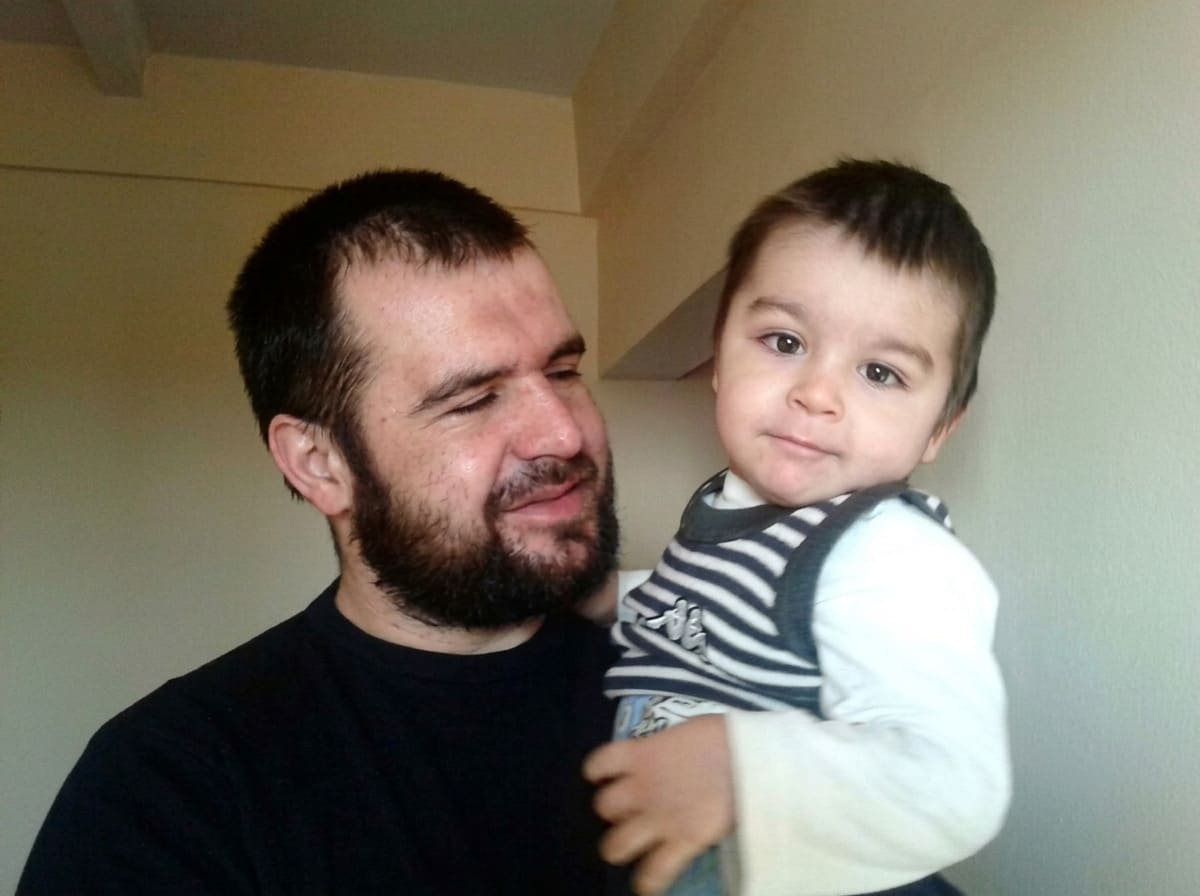
Abubakar Rizvanov with his family, before his arrest

The family of Abubakar Rizvanov

Mother and sister

Abubakar Rizvanov’s mother and sister continue to raise awareness about his case and the injustice of his sentence. He is the father of seven children. Their voices are part of the broader family campaign against political imprisonment.

We were shown again that in the court system there is no law, no justice, and no wish to work out whether a person is guilty or not.

Zumrud Rizvanova

Published material

Earlier petitions

These petitions were created by supporters at earlier stages of the case. They are no longer collecting signatures and are kept here as part of the public record of solidarity.

Get in touch

Contact the Campaign

For media inquiries, human rights organizations, policymakers and supporters:

contact@free-aka.com

Journalists can request additional case materials, family contacts and interview arrangements. Human rights organizations can request the political prisoner recognition materials and legal documents, including the full case file in Russian.

I am writing as

This form is protected against spam without any third-party service.